


Exploring Charleston's Civil Rights Landmarks


Charleston is not just an antebellum jewel but home to significant landmarks tied to the struggle for civil rights and social justice. These sites offer a glimpse into the past, shedding light on the fight for equality and the resilience of those who championed change.
One of the most notable locations is Mother Emanuel AME Church, a symbol of both tragedy and hope. Established in 1818, it is one of the oldest African Methodist Episcopal churches in the South. This church played a central role in advocating for freedom and equality, as many leaders of the Civil Rights Movement, such as Dr. Martin Luther King Jr., visited and addressed its congregation. The 2015 tragedy at Mother Emanuel is a painful reminder of ongoing racial tensions, but it has also strengthened the church's legacy as a beacon of community strength and unity.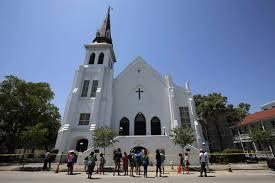
Another must-visit site is the Avery Research Center for African American History and Culture. Originally founded as the Avery Normal Institute in 1865 to educate African American teachers, the center now houses an extensive collection of documents, photographs, and artifacts chronicling African American history in South Carolina. It acts as a resource for understanding the deep roots of the Civil Rights Movement in Charleston and beyond.
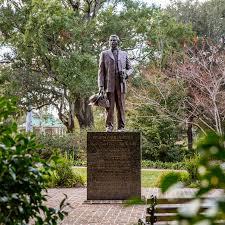
Nearby, Marion Square serves as a public gathering space but also boasts connections to the Civil Rights era. It was often a focal point for demonstrations and speeches advocating for justice and equality. Today, a memorial for Denmark Vesey, an 1822 freedom fighter and one of the organizers of a planned slave rebellion, stands as a reminder of Charleston’s complex history of resistance to oppression.
Another important landmark is the Old Slave Mart Museum, located on Chalmers Street. This site was once part of a complex where enslaved people were bought and sold prior to the Civil War. Though its focus is on the era of enslavement, the museum serves as a vital resource in understanding the systemic oppression that set the stage for the Civil Rights Movement. By exploring the artifacts and narratives preserved here, visitors can trace the roots of the African American struggle for freedom and equality. The museum’s stories remind us that the demand for justice spans centuries, making it a crucial stop for those engaging with Charleston’s history.
These sites not only tell the story of Charleston's role in the Civil Rights Movement but also offer visitors a broader understanding of America’s ongoing fight for justice. They inspire reflection and dialogue, reminding us of the progress made and the work still ahead. For anyone interested in history and social justice, Charleston’s Civil Rights landmarks provide a meaningful way to connect with the past while engaging with its lessons for the future.

